You can add an introductory larger size text to your articles by simply wrapping a paragraph in a p tag with the CSS class of “intro”. Put simply, larger text will usually be read before smaller text.
We paid a lot of attention to getting the basics of our typography right. The purpose of this page is to help determine what default settings are with CSS and to make sure that all possible elements are included. For example we looked at headings. Lovely headings.
Editing in the best way
Dropcap can be added by wrapping the first letter of the first word in a span tag with the CSS class of “dropcap”. Instead of using the body text font, we use the display font from our titles. This also ties the two elements together if the display font works well with the body text.openers.
We’ve considered the needs of cooks that want to start their recipe journal, so we are styled the recipe format in such way that it beautifully displays the preparation steps.
Put your recipe here. Tip: use ordered and unordered lists, headings, images, and links to improve the look of your recipe. You can also use special tags to format notes, ingredients, and directions.
[starting now]
– journalism
– newspapers
– blogs
– magazines
[example of your column todo list]
1. Line a baking sheet with parchment paper and set it aside.
2. Melt the butter over medium high heat in a large frying pan. Add the brown sugar and stir to combine.
3. Continue cooking until the sugar melts, about 3 to 5 minutes, stirring every minute.
4. Add the nuts and cook until they are toasted and very fragrant, about 8 minutes, stirring every minute.
5. If the pan begins smoking, remove it from the heat and stir it until it stops smoking, then place it back over the heat and continue stirring every minute until the nuts are sufficiently toasted.
6. Empty the pan contents onto the parchment paper-lined baking sheet and spread the nuts mixture out evenly using a spatula. Immediately sprinkle with the rosemary, salt, and chili. Allow to cool to room temperature.
7. Once cooled, break apart any large chunks of nuts into individual nuts and serve.
[dignify and sanctify]
Tips & Tricks: And the whipped cream rounded out all the flavors and just added a nice and fluffy element to the dish. YUM. I got all my ingredients at New Seasons Market, which is a store local to the Pacific Northwest area that sells a huge array of delicious seasonal fresh produce and all-natural ingredients. You can see if there’s a store near you using their find-a-store locator here.
Heading Three
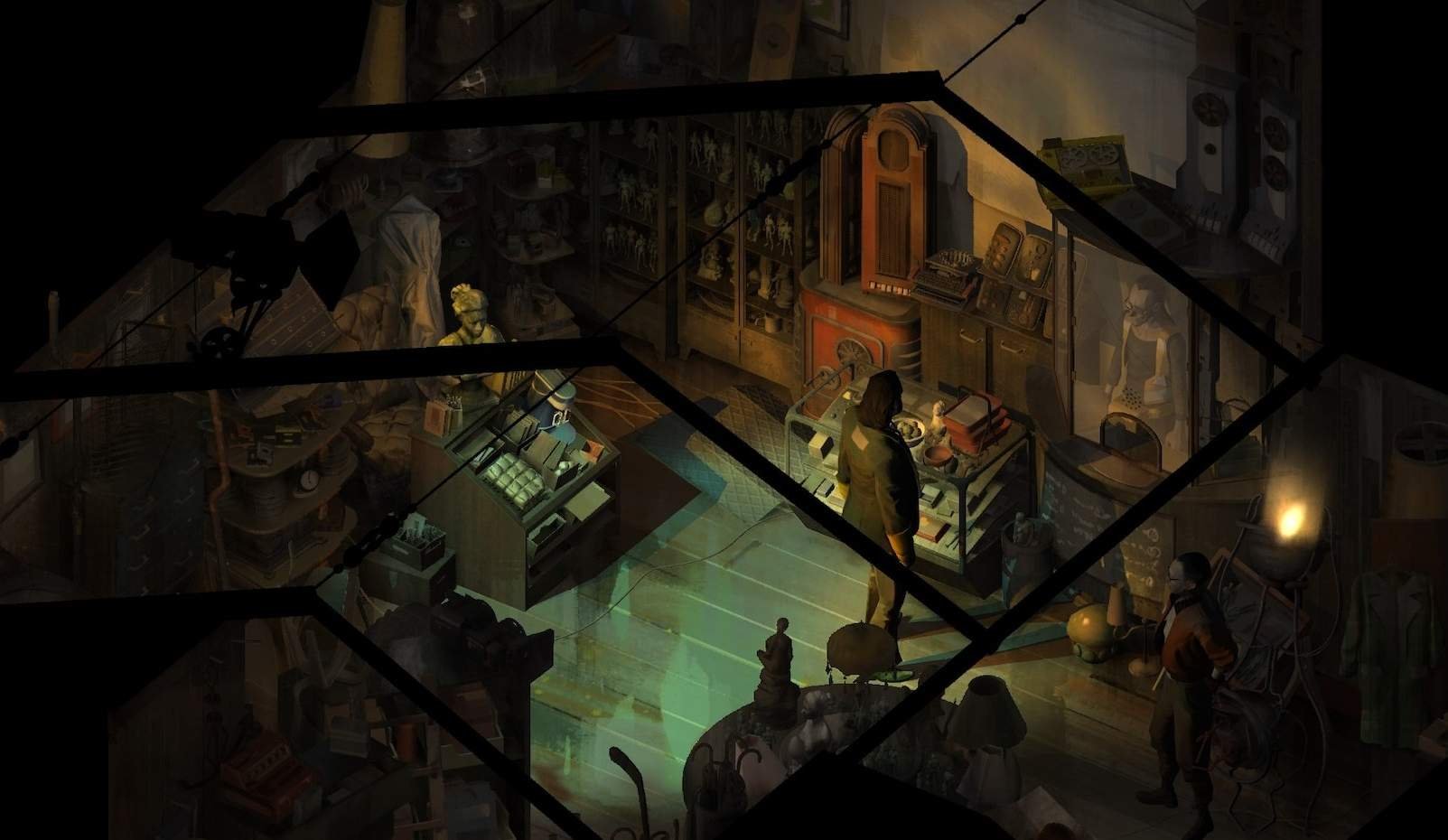
In a way, yes. You *are* treasure hunting. Most officers from Precinct 41 do what is called the Jamrock Shuffle — cracking open containers. Most of them are from Jamrock or Coal City, the poorest parts of Revachol that also overlap with the network of royal catacombs called Le Royaume, just beneath the streets. As children you would all go underground, hoping to find treasure, and come back with a rat’s tail or a used needle. That playful curiosity must still be in you. Who knows. Maybe one day the Orbe de Montagne, the Holy Scepter, and the Cocaine Skull will all be yours!
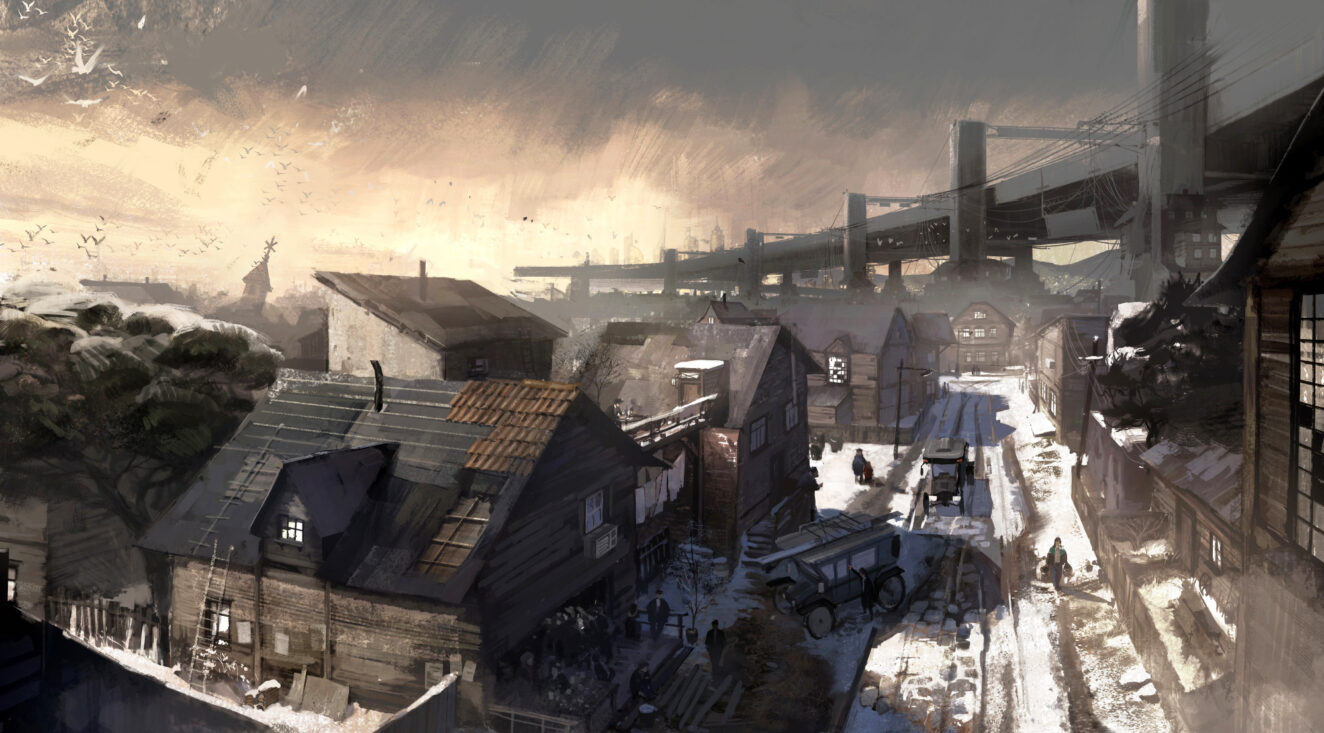
You were born in the year ‘07, in the last year of the Commune of Revachol, right before it fell. In the Old Military Hospital, on the ground floor where people usually came to die, during a snowstorm.
The Revolution had about one year left to go and the fires were still burning bright. There were explosions in the blizzard. This was 44 years ago. You are 44 years old. The bloating might never leave your face, but beneath it — you still have some years. You still have some hope.
| Type | Font | Description |
| Humanist | Sabon | Closely connected to calligraphy |
| Transitional | Baskerville | More abstract and less organic |
| Modern | Bodoni | Note the thin, straight serifs |
| Slab Serif | Clarendon | Egyptian typefaces have heavy serifs |
Be specific in your requests to the public
Image Styles in your Blog
Welcome to image alignment! The best way to demonstrate the ebb and flow of the various image positioning options is to nestle them snuggly among an ocean of words. Do not fogret about it!
Beginner’s Guide: How to Write Articles About Cultural Events
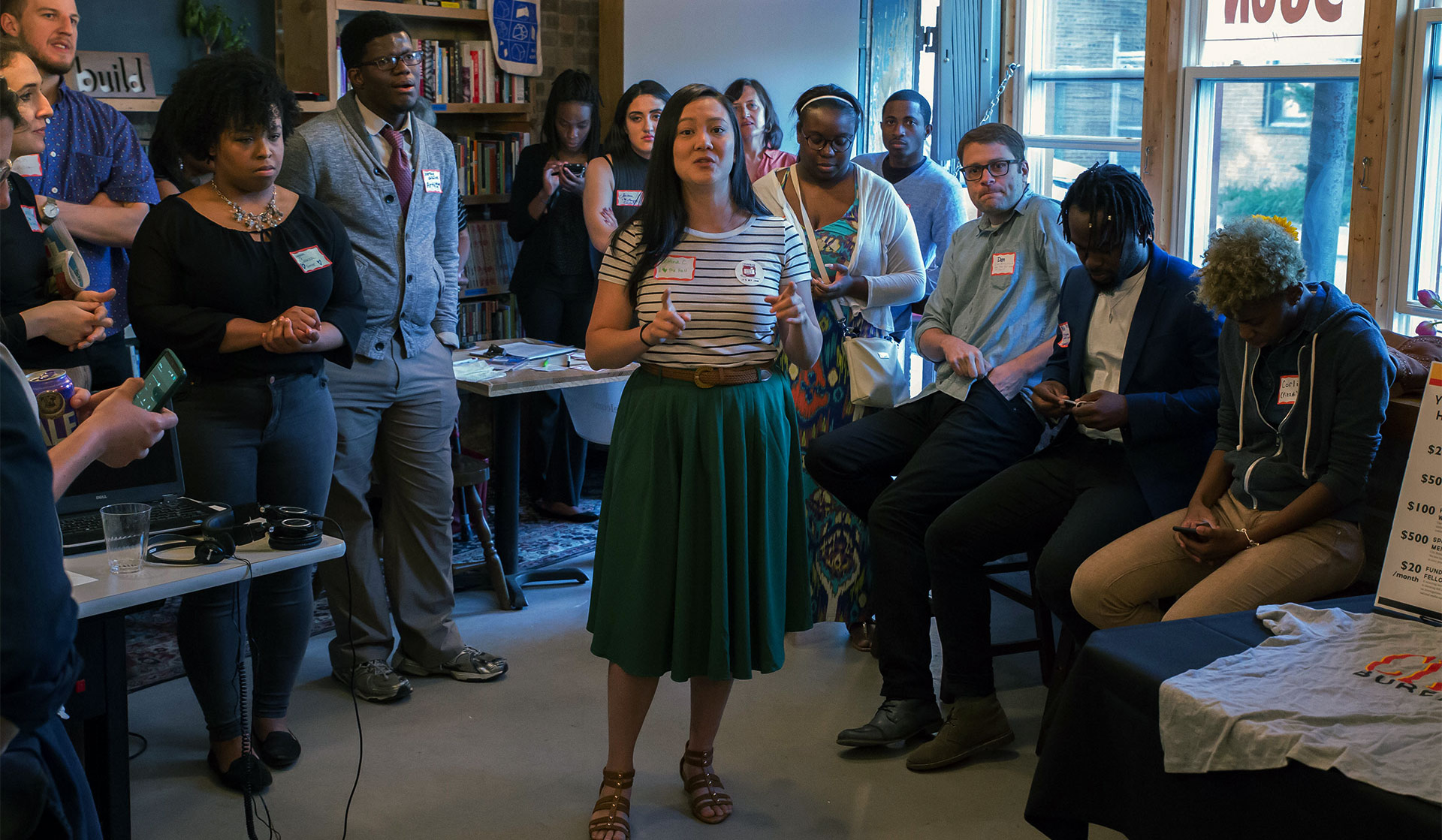
Cultural journalism plays an important role in helping audiences discover, understand, and engage with artistic and creative events. Whether you are covering a film festival, a museum exhibition, a music…
Art As A Reflection Of Social Change
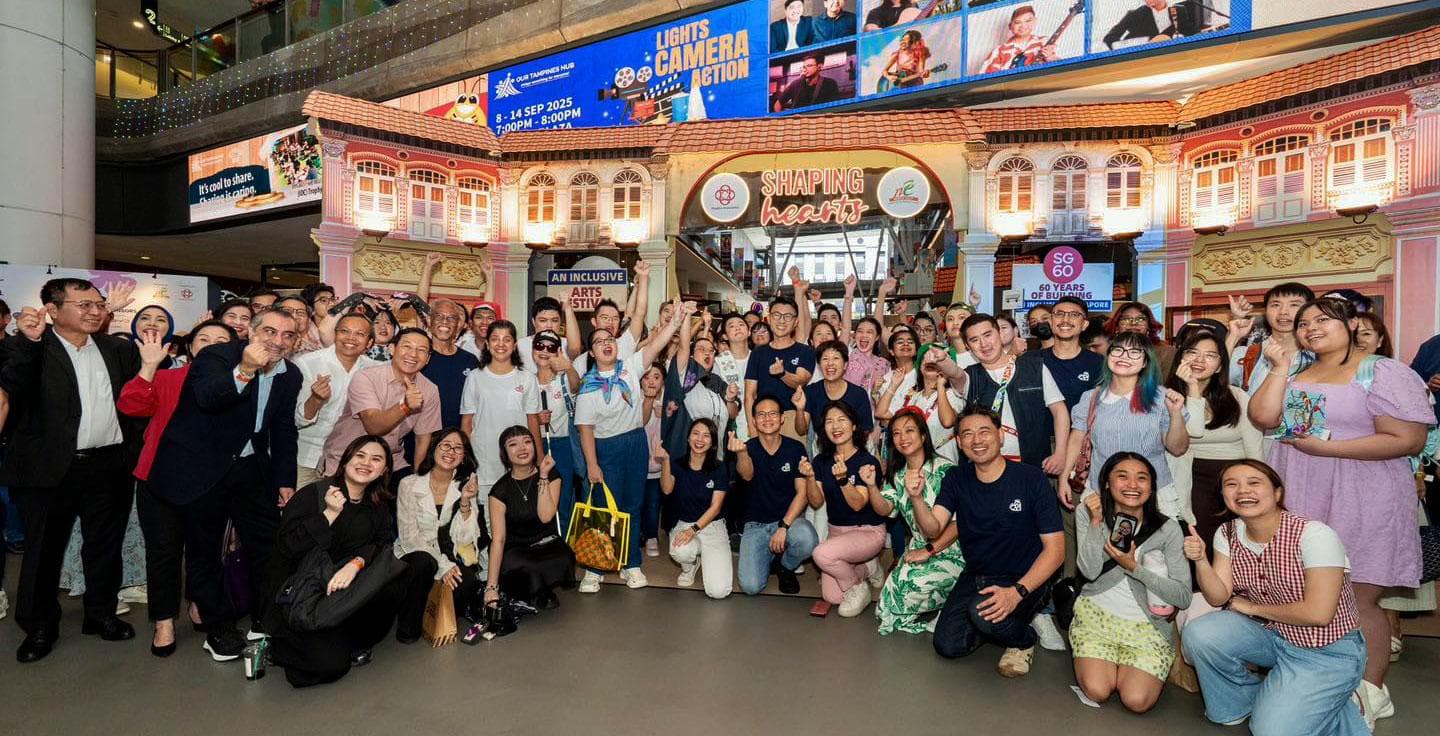
Human history is usually told through wars, reforms, discoveries, and political decisions. Yet there is another way to understand the past more deeply—by looking at it through the lens of…
How Newsrooms Can Cover Complex and Controversial Topics Without Losing Audience Trust in the Opening Paragraphs?
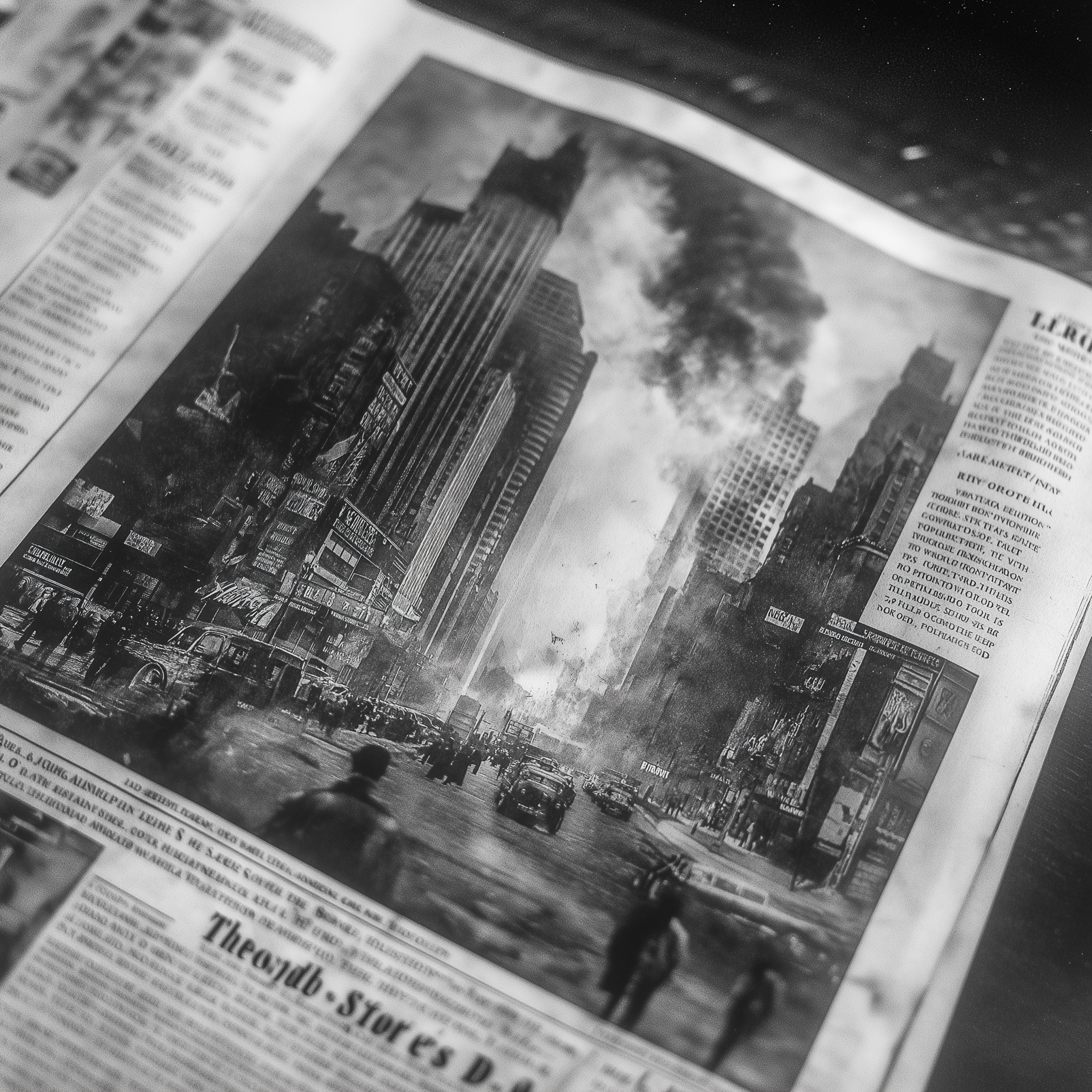
Trust in journalism is rarely lost all at once. More often, it begins to slip in the first few lines of a story. When audiences approach a difficult or controversial…
Building Trust: Why Transparency Matters in Journalism
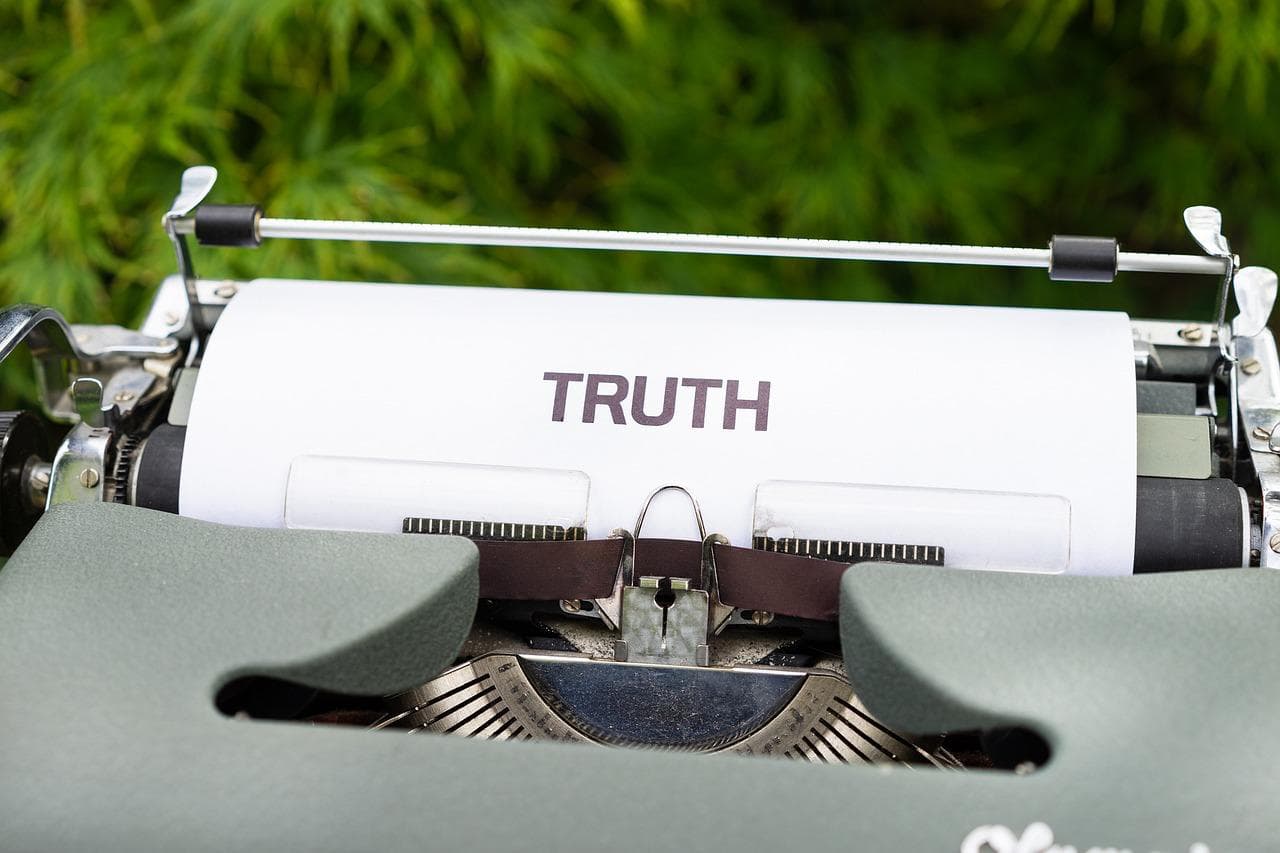
Transparency is one of those words people nod at but rarely dissect. In journalism, it’s more than a slogan; it’s a discipline, a choice to show the messy parts of…
Freelance Journalism: Freedom, Risk, and the Future of Independent Reporting

People don’t just want facts; they want a voice behind the facts. When someone writes a story under their own name, with their own angle, it feels different from a…
Threaded Stories: How Cross-Stitch Is Becoming a Medium of Modern Art and Commentary
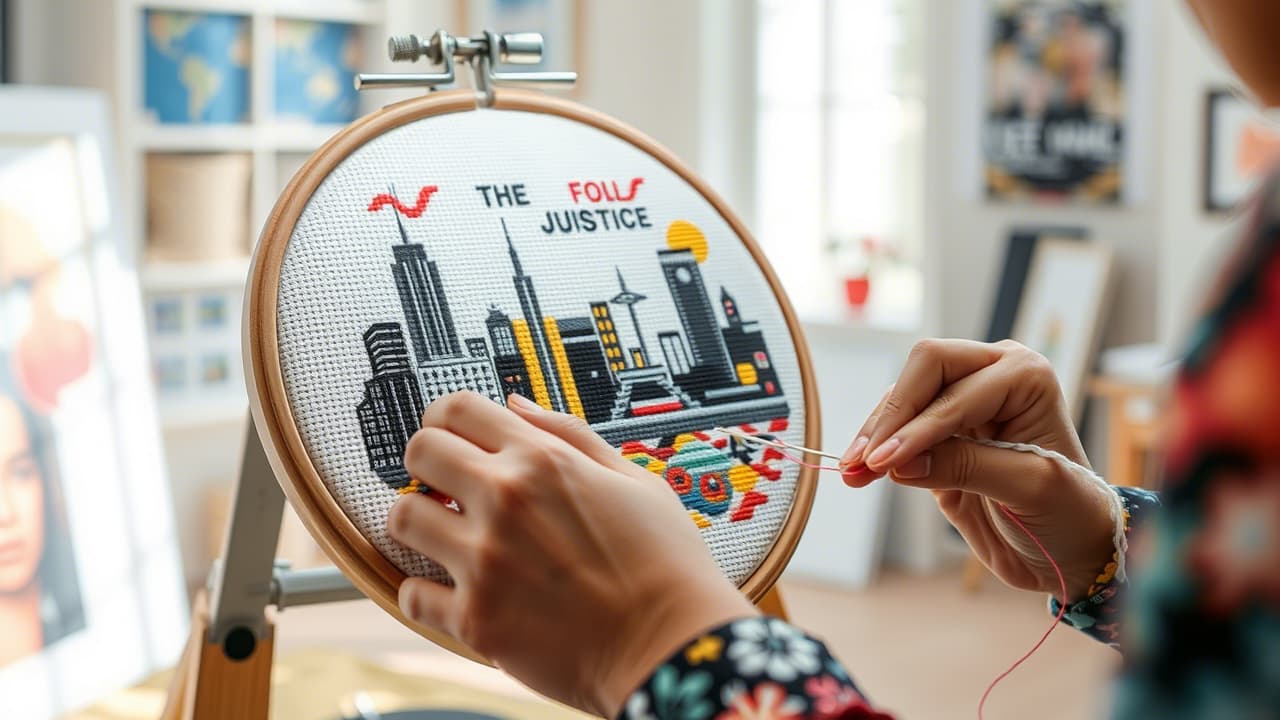
In an age of hyper-digital expression, where art is often reduced to pixels and journalism battles for attention amid shrinking screens, an unexpected medium has re-emerged with striking relevance: counted…
Art as a Mirror of Society: How Creativity Reflects Social Change
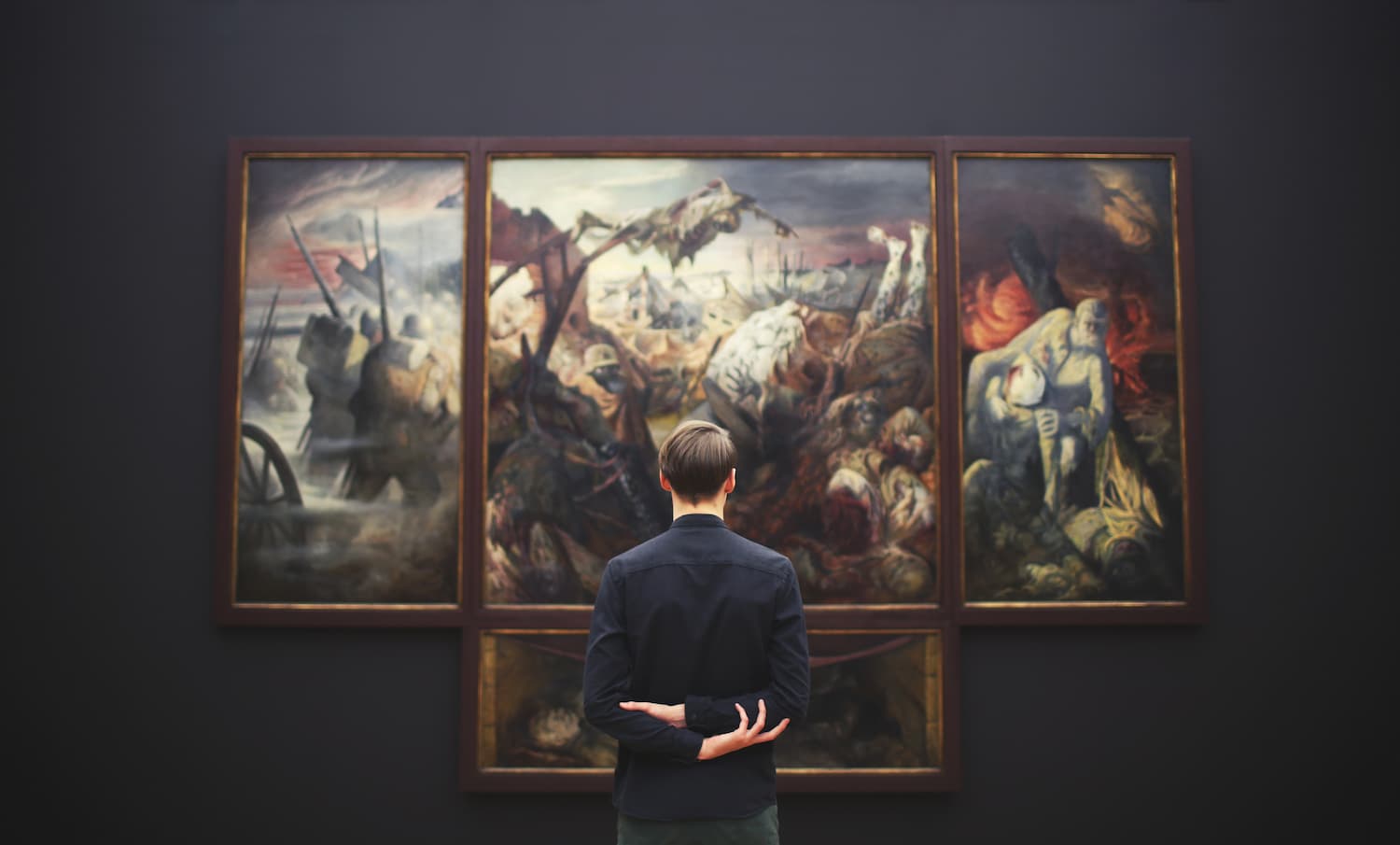
Art has always served not only as a means of self-expression but also as a reflection of social processes. It captures important historical moments, reveals hidden conflicts, and gives a…
NFT and Digital Art: A New Era or Speculation?
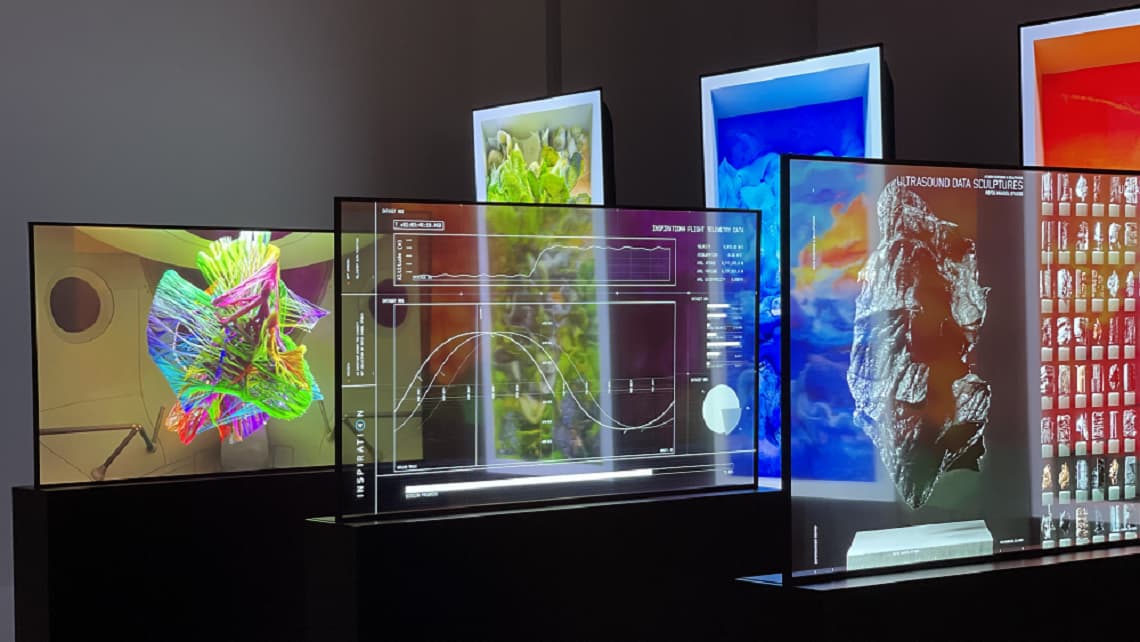
Digital technologies are transforming everything — from how we communicate to how we perceive art. One of the brightest and most controversial phenomena in recent years has been NFTs —…
Data Journalism: How to Usе Opеn Data to Crеatе Compеlling Storiеs

In thе rapidly еvolving world of mеdia, data journalism has еmеrgеd as a powеrful tool for uncovеring hiddеn truths, supporting invеstigativе rеporting, and crеating impactful storiеs. By lеvеraging opеn data,…
Journalism and Fake News: How to Spot Lies in the Information Flow

Journalism is an integral part of modern society. It informs, educates, and helps us understand the surrounding world. However, in recent years, we often face the problem of fake news….