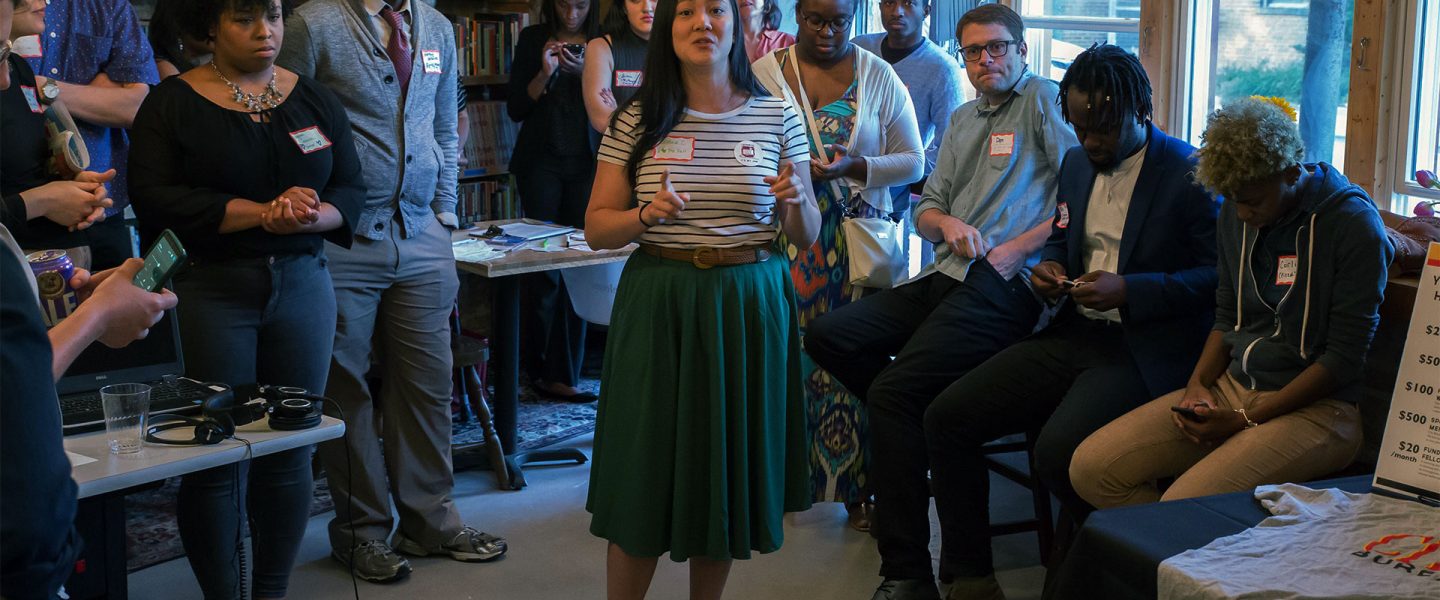
Cultural journalism plays an important role in helping audiences discover, understand, and engage with artistic and creative events. Whether you are covering a film festival, a museum exhibition, a music concert, or a literary award ceremony, your task is not only to report what happened but also to explain why it matters. Unlike hard news reporting, cultural journalism often requires additional context, background knowledge, and attention to atmosphere and audience reactions. A well-written article can help readers connect with a cultural event even if they did not attend it themselves. This guide outlines the key principles and techniques every beginner journalist should know when covering cultural events.
Understanding Cultural Event Coverage
Cultural journalism covers a wide variety of events and activities, including:
- Music festivals and concerts
- Film festivals and award ceremonies
- Theater performances and opera productions
- Art exhibitions and biennales
- Literary festivals and book fairs
- Dance performances
- Cultural heritage events
- Fashion shows
- Creative industry conferences
- Public art installations
- Museum openings and special exhibitions
Each of these event types requires a slightly different approach, but they all share a common goal: highlighting artistic, cultural, or creative value.
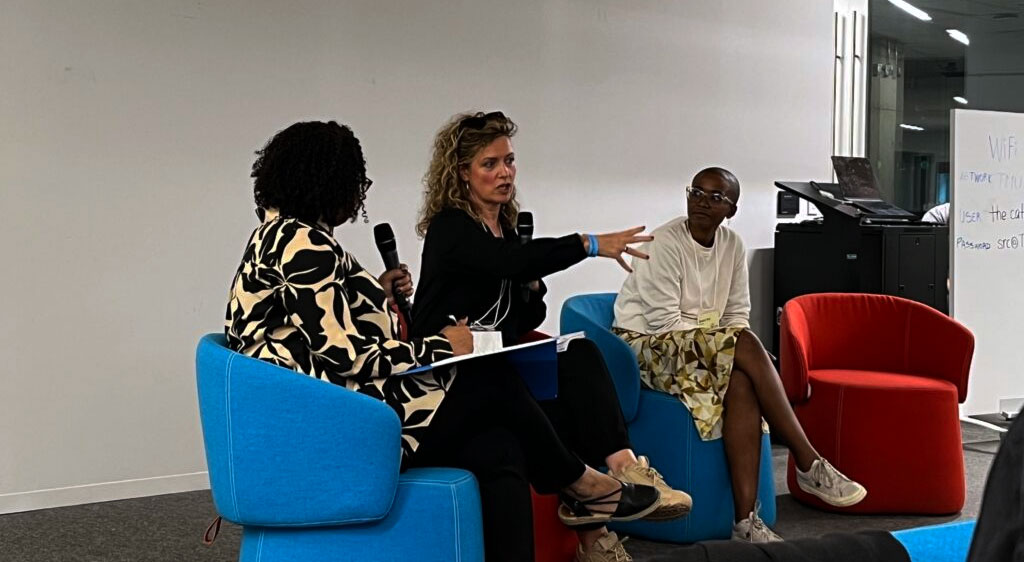
How Cultural Events Differ from Other News Stories
Cultural events differ from political, business, or breaking news because their value often extends beyond the immediate facts. While traditional news focuses primarily on what happened and its direct impact, cultural journalism also explores meaning, artistic significance, and social relevance. Readers are usually interested in understanding how an event reflects broader cultural trends and why it matters within a particular creative field.
Another important difference is the role of interpretation. Journalists covering cultural events are often expected to provide context about the creators, performers, historical background, or artistic concepts behind the event. This additional layer of analysis helps audiences appreciate the significance of what they are reading about rather than simply learning basic facts.
Cultural reporting can also be combined with destination-focused content to create more engaging and useful articles. For example, coverage of a film festival, art exhibition, or music event in Italy may include information about the local cultural scene, landmarks, and visitor experiences. Resources such as the SDK city Italy travel guide</a> can help journalists enrich their stories with destination context and provide readers with a broader understanding of the location hosting the event.
Common Formats for Cultural Journalism
Different cultural events require different journalistic approaches. Choosing the right format depends on the purpose of the article, the available information, and audience expectations.
- News Article focuses on factual information, announcements, results, and key developments. Best used for reporting award winners, event outcomes, and breaking cultural news.
- Event Preview focuses on introducing upcoming events, key participants, and expected highlights. Best used before festivals, exhibitions, concerts, premieres, and other scheduled cultural events.
- Reportage focuses on atmosphere, audience reactions, memorable moments, and first-hand observations. Best used when covering an event on-site and providing readers with an immersive account of the experience.
- Review or Critique focuses on evaluating artistic quality, strengths, weaknesses, and overall impact. Best used after concerts, theater performances, films, exhibitions, book releases, or other cultural productions.
- Feature Article focuses on storytelling, background information, cultural trends, and in-depth analysis. Best used when exploring the broader significance of an event, artist, movement, or cultural phenomenon.
- Interview focuses on personal insights, opinions, experiences, and expert perspectives. Best used when speaking with artists, performers, curators, organizers, or other key figures involved in the event.
- Opinion Piece focuses on analysis, interpretation, and reasoned arguments regarding cultural topics and developments. Best used when discussing trends, controversies, industry changes, or broader issues affecting the cultural sector.
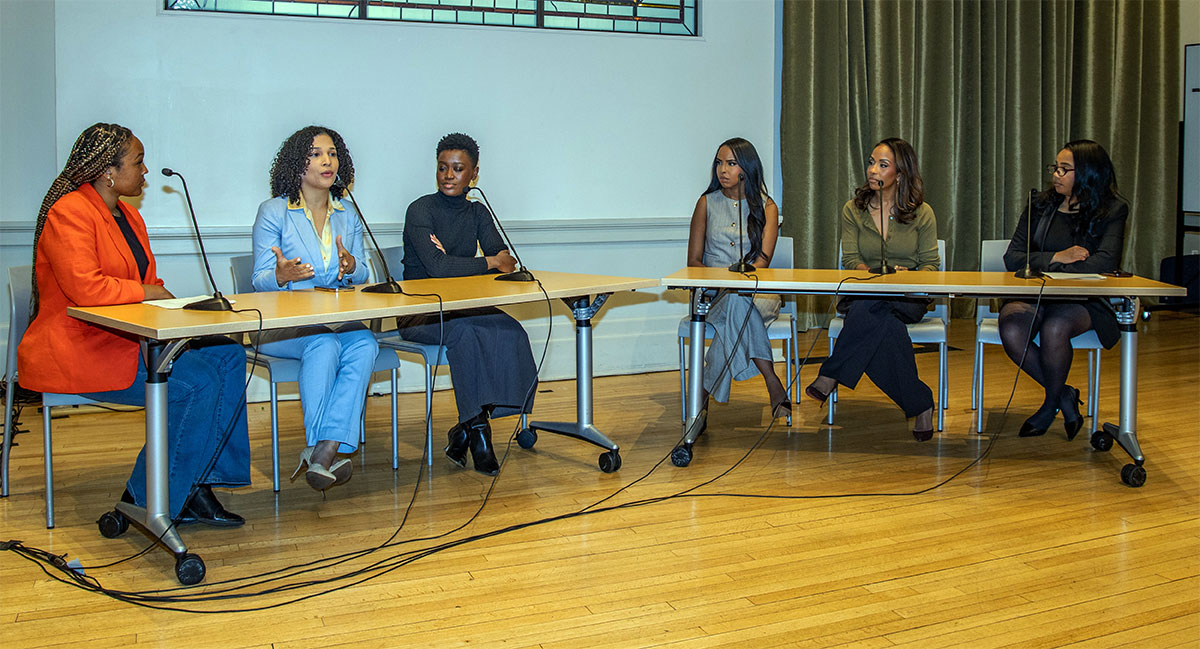
Preparing Before You Start Writing
Successful cultural reporting begins long before the event itself. Preparation allows journalists to ask better questions, identify important angles, and provide meaningful context. Before writing, make sure to:
- Research the history of the event.
- Learn about the organizers and sponsors.
- Study the participants, artists, speakers, or performers.
- Understand the event’s significance within its cultural sector.
- Review previous editions of the event if applicable.
- Collect essential information such as dates, venues, schedules, and ticket details.
- Identify potential interview subjects.
- Prepare questions in advance.
- Familiarize yourself with current trends related to the event.
- Review the official press materials without simply repeating them.
Thorough preparation helps journalists move beyond basic reporting and create articles that offer genuine value to readers.
The Basic Structure of a Cultural Event Article
The Headline
A strong headline should be clear, informative, and engaging. It should accurately reflect the article’s content while encouraging readers to continue reading. Avoid misleading clickbait headlines that promise more than the article delivers.
The Lead
The opening paragraph should immediately answer the essential questions:
- What happened?
- Where did it happen?
- When did it happen?
- Why is it important?
The lead should provide readers with enough information to understand the story’s significance from the very beginning.
The Main Body
The main section of the article should expand on the key details of the event. Depending on the format, this may include:
- A description of the event
- Highlights and notable moments
- Quotes from participants or organizers
- Audience reactions
- Background information and context
- Relevant statistics or attendance figures
- Comparisons with previous editions
This section should balance factual reporting with engaging storytelling.
The Conclusion
The final section should summarize the event’s importance and, when relevant, indicate what comes next. This may include future editions, upcoming performances, industry impact, or broader cultural implications.
Working at a Cultural Event
When attending an event, journalists should focus on gathering information that goes beyond official press releases. Pay attention to details that help readers experience the event through your writing and understand its atmosphere, significance, and audience response.
Take notes on significant moments, key announcements, direct quotes, audience reactions, and visual details that contribute to the overall story. Observe how participants interact with one another, how the audience responds to performances or presentations, and whether any unexpected developments occur during the event.
It is equally important to verify names, titles, dates, and factual information before publication. Collect supporting materials such as photographs, press kits, and interview notes whenever possible. Strong observation skills combined with careful fact-checking will help produce more accurate, engaging, and professional cultural coverage.
Conclusion
Effective cultural journalism combines accurate reporting with thoughtful storytelling and meaningful context. Journalists should strive not only to describe events but also to explain their cultural relevance and impact on audiences, communities, and creative industries. Careful preparation, active observation, and thorough fact-checking remain essential throughout the reporting process. Selecting the appropriate article format allows writers to communicate information most effectively while meeting readers’ expectations. Cultural coverage becomes most valuable when it helps audiences understand why an event matters rather than simply documenting what happened. By developing strong research skills, cultural awareness, and a clear writing style, beginner journalists can create engaging articles that inform, inspire, and encourage deeper interest in cultural life.